Lion’s Mane Mushroom
Lion’s Mane (Hericium erinaceus) is one of the most recognized functional mushrooms. It has a long history of culinary and traditional use and is now widely discussed for its unique compounds and potential neurological research interest.
What Is Lion’s Mane?
Lion’s Mane is a distinctive white mushroom known for its cascading spines and unusual appearance. It has been used traditionally in culinary and herbal contexts, and today it is one of the most talked-about functional mushrooms.
Interest in Lion’s Mane comes from both traditional use and modern research. It is commonly discussed in relation to cognitive support, nerve-related compounds, and mushroom-derived polysaccharides.
Like many mushrooms, Lion’s Mane can be used in multiple product formats depending on whether a brand focuses on fruiting body, mycelium, extraction style, or a combination of these.
Key Compounds in Lion’s Mane
Lion’s Mane is often discussed for several compound groups that may differ depending on whether the product uses fruiting body, cultivated mycelium, or extraction.
Hericenones
Hericenones are compounds primarily associated with the fruiting body of Lion’s Mane and are often discussed in relation to neurological research interest.
Erinacines
Erinacines are compounds more commonly associated with the mycelium stage and are frequently mentioned in discussions about Lion’s Mane mycelial biology.
Beta-Glucans
Like many functional mushrooms, Lion’s Mane also contains beta-glucans and other polysaccharides commonly associated with immune-related interest.
Explore Lion’s Mane Supplements
Livespore offers Lion’s Mane in two formats: a fruiting body dual extract tincture and mycelium cultivated on fermented brown rice in capsule form.
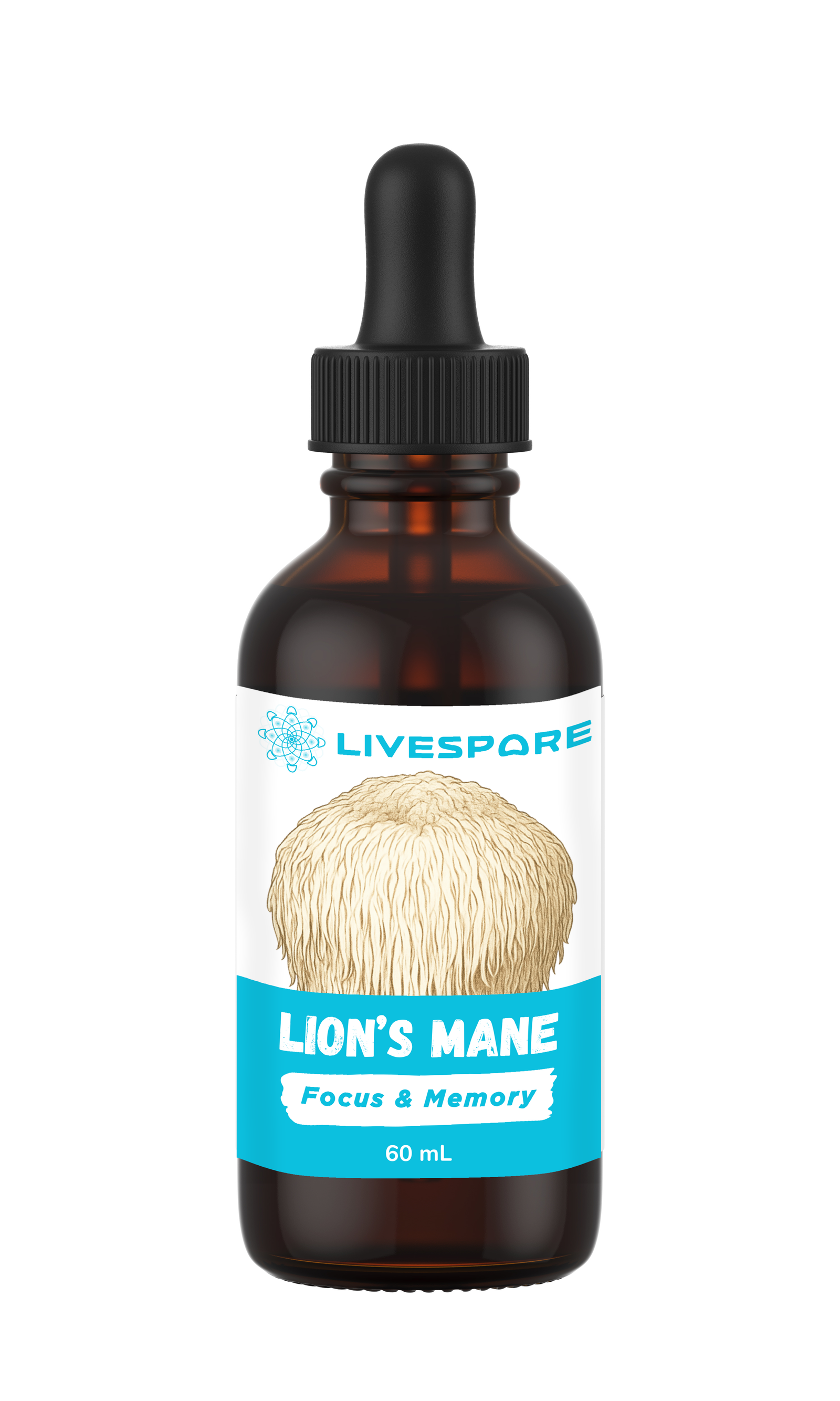
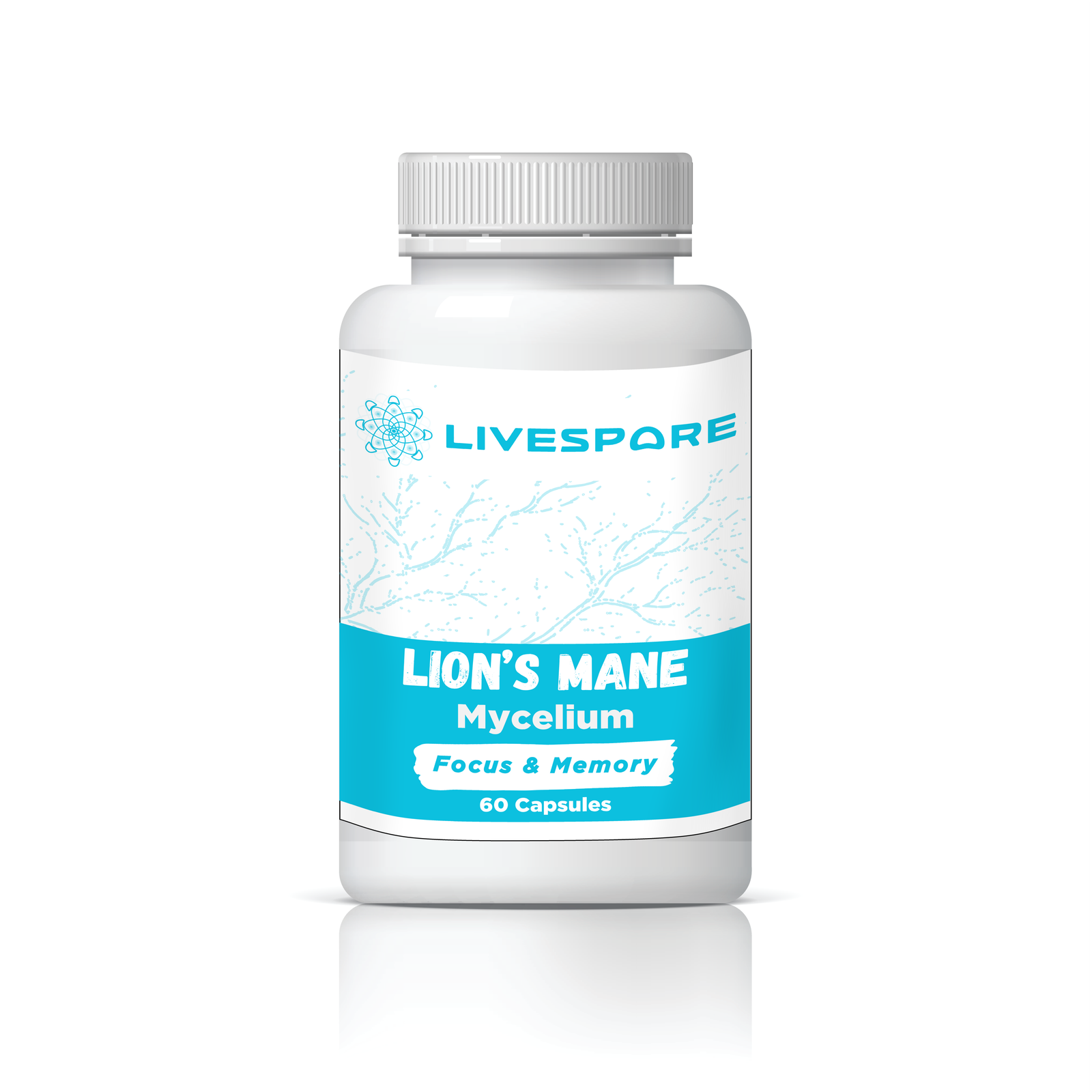
Fruiting Body and Mycelium
Different parts of the mushroom life cycle can contribute different compounds. That is why understanding fruiting body and mycelium matters when comparing Lion’s Mane products.
Why This Matters for Lion’s Mane
Fruiting body Lion’s Mane is often discussed for hericenones, while cultivated mycelium is more commonly associated with erinacines. These are not identical materials, and they should not be treated as though they are interchangeable by default.
- Fruiting body and mycelium are different stages of the fungal life cycle
- Different stages may emphasize different compounds
- Product format and extraction method change the final result
- Transparent labeling helps customers compare more honestly
Extraction Methods
Many mushroom compounds are locked within fungal cell structures. Extraction helps make different classes of compounds more available in the final product.
Water extraction is commonly used for polysaccharides such as beta-glucans, while alcohol extraction can help dissolve other less water-soluble constituents. Some brands use dual extraction to create a broader compound profile.
If you want a deeper explanation of how Livespore approaches this, you can read more here: Extraction Process.
Grow Lion’s Mane Yourself
Lion’s Mane is also a favorite among mushroom cultivators. For growers, Livespore offers cultivation supplies and culture materials.
Start Growing Lion’s Mane
Whether you want a ready-to-grow option or clean starting genetics, Livespore offers multiple ways to begin working with Lion’s Mane cultivation.